STYLUS TABLETS
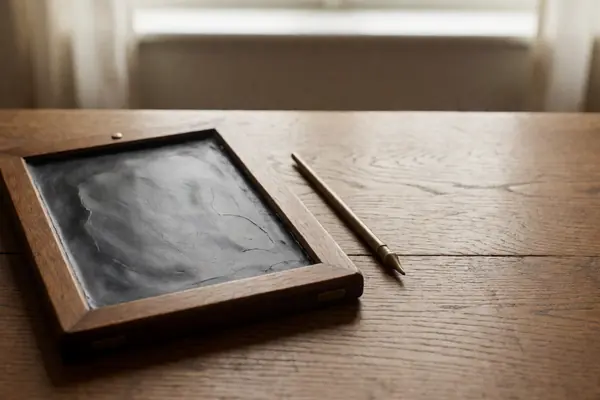
Black wax in a wooden frame
A recess in the wood was filled with wax, which in Britain seems to have been black. Writers scratched it with a stylus and could smooth it to reuse.
Tell them apart tabletduo
Start
ROMAN WRITING TABLETS
Roman Britain did its paperwork on wood.
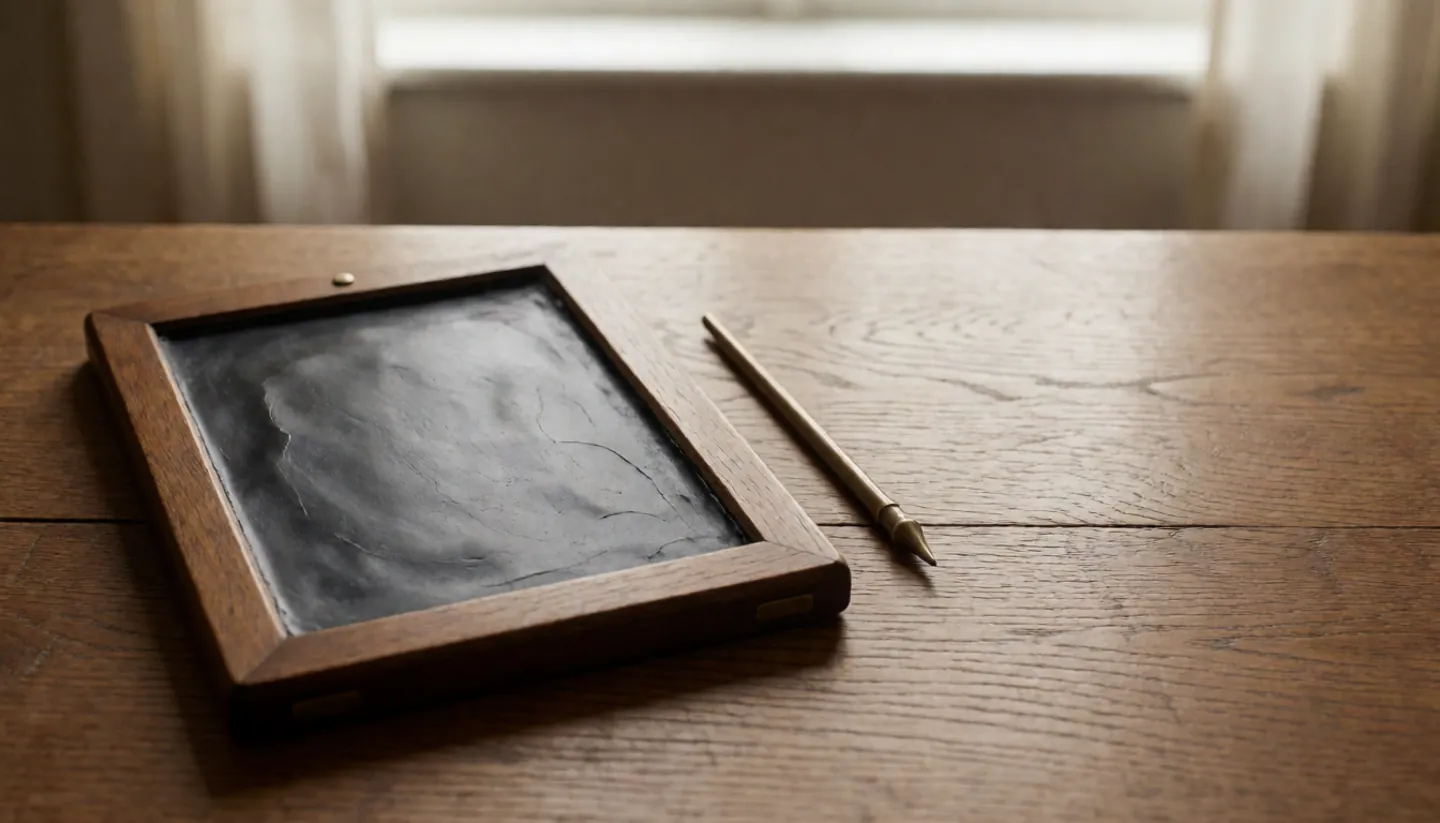
Some notes were scratched into black wax set in a wooden frame. Others were written in ink on wafer-thin wooden leaves. Both survive from Vindolanda near Hadrian's Wall and from Roman London.
WAX + INKthe tablet duo
Tell them apartKeep in mind
THE SHORT ANSWER
Both were wooden.
They were used for different jobs.
STYLUS TABLETS
A recess in the wood was filled with wax, which in Britain seems to have been black. Writers scratched it with a stylus and could smooth it to reuse.
Tell them apartLEAF TABLETS
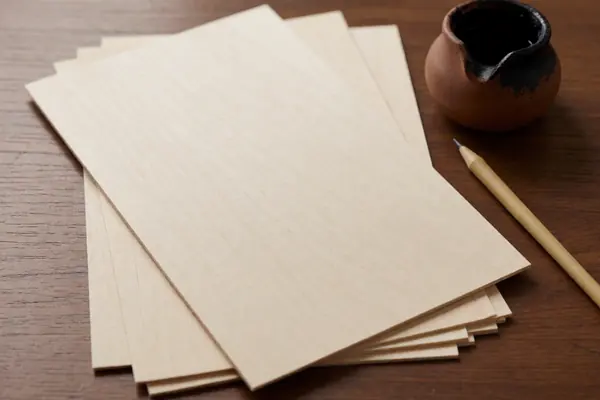
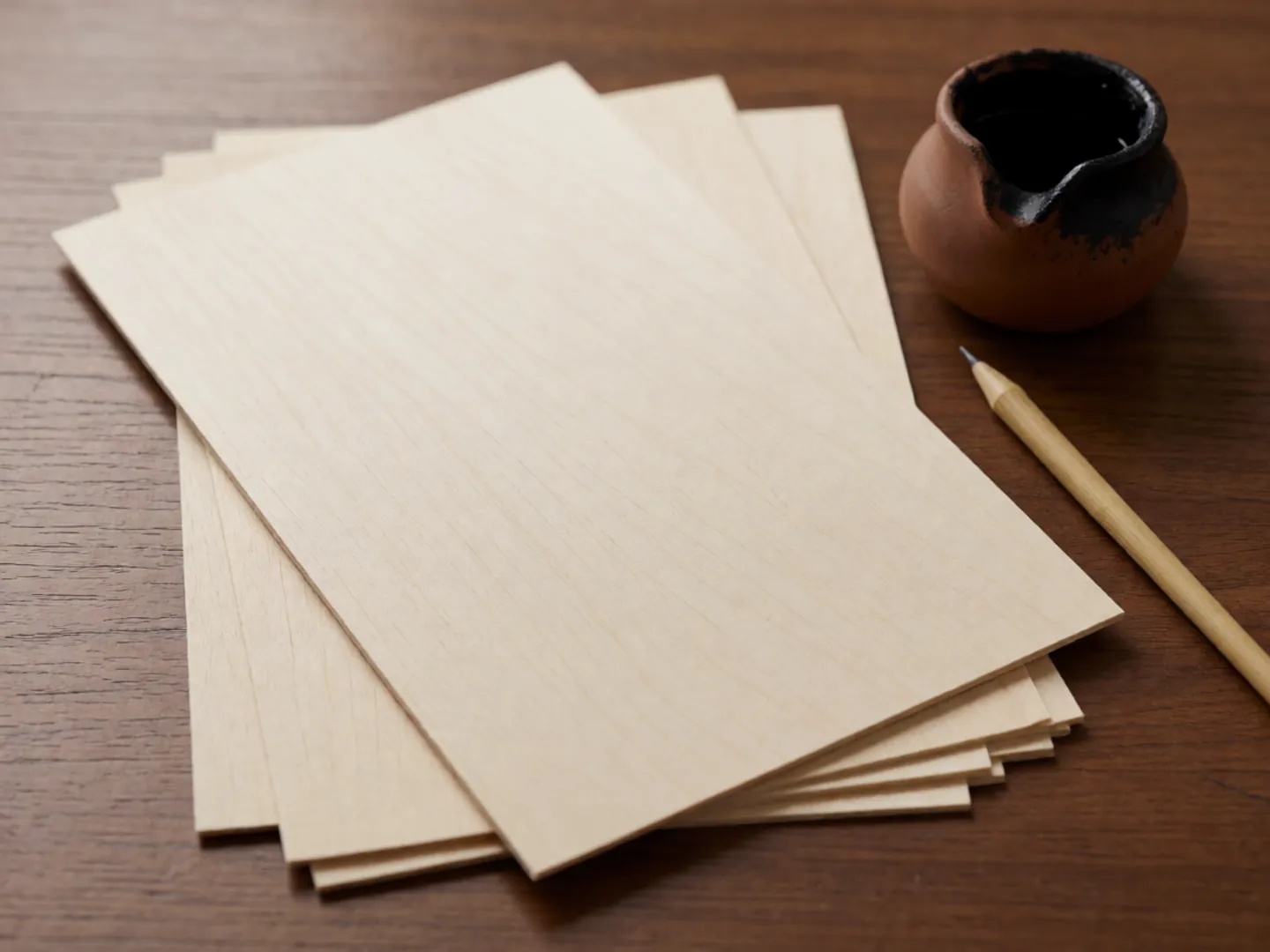
At Vindolanda, thin slivers of wood written in ink were the everyday medium, used for letters and military records.
See the numbersSEALED SETS
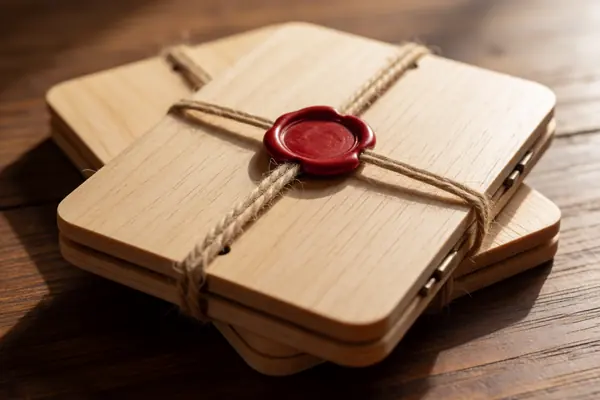
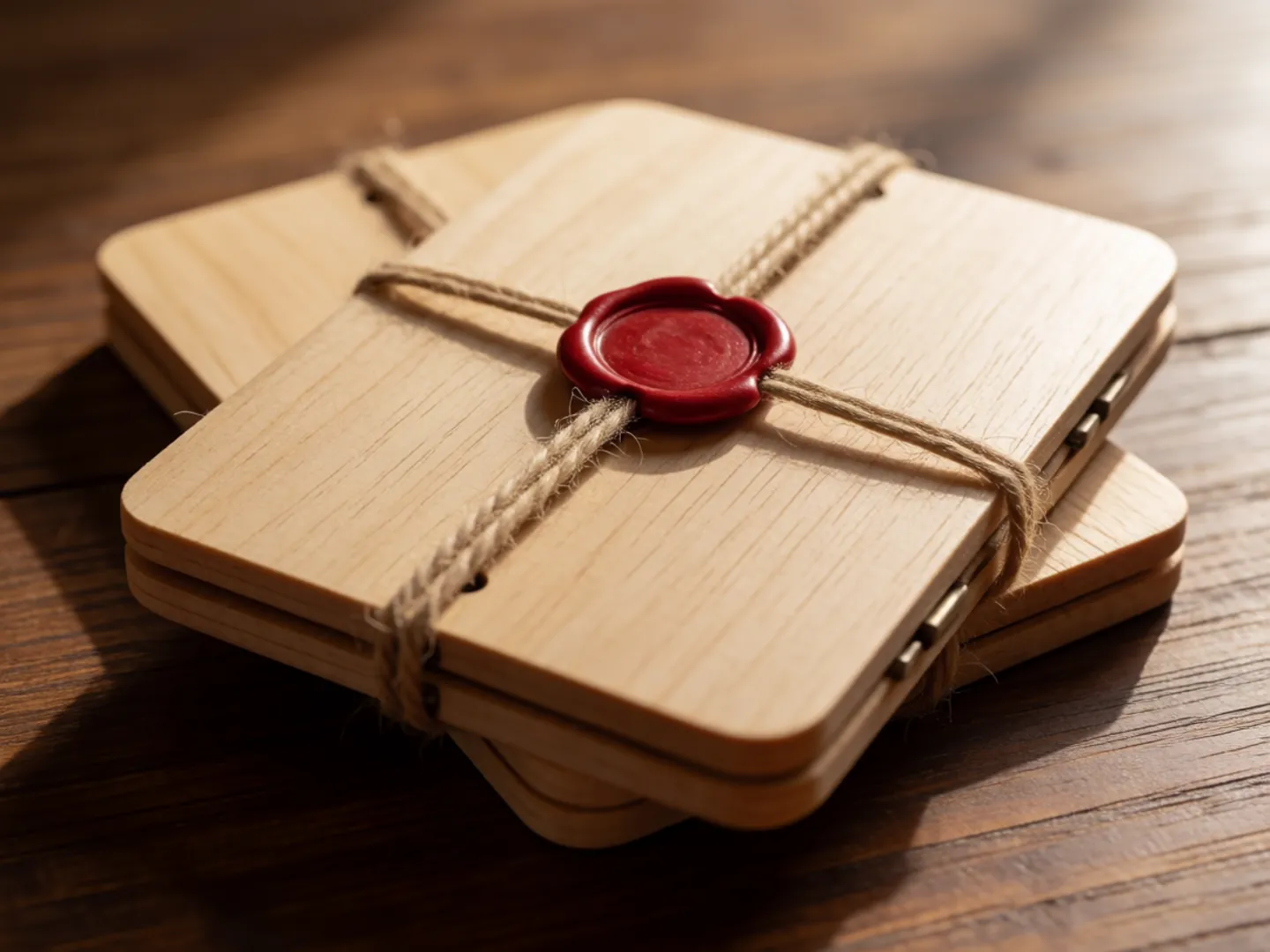
For legal documents, stylus tablets were hinged into a triptych. One copy was sealed against tampering; another stayed readable outside.
How sealing workedTELL THEM APART
Pick a kind of tablet to see why some texts are easy to recover and others take years. The bar shows how hard the text is to read now.
Based on Meyer, Mullen and Tomlin, Britannia (2025), on the Vindolanda tablets.
TWO NUMBERS WORTH KNOWING
One figure from Hadrian's Wall,
one from the City of London.
≈ 1,700
Tablet inventory numbers at the British Museum
The first Vindolanda tablets were found in 1973. Ink and wax tablets now take up around 1,700 inventory numbers, about 370 of them stylus tablets, almost all fragmentary.
VINDOLANDA · BRITANNIA 2025
405
Writing tablets from one City dig
A 2016 excavation in the City of London yielded 405 tablets. Before it, only 19 legible tablets were known from London; the dig had already added 87.
ROMAN LONDON · 2016
One London tablet is dated to AD 57, reported as the earliest dated handwritten document found in Britain, and one from AD 65 contains the earliest known mention of London.
READING A TABLET TODAY
Most stylus tablets have lost their wax. What remains are faint scratches in the wood, and reading them is slow, careful work.
Step 1
Waterlogged tablets were conserved with polyethylene glycol and freeze drying, the London team reported.
Step 2
Raking light, and imaging such as Reflectance Transformation Imaging, bring out shadows in the tiny scratches.
Step 3
Photos taken at different angles are combined to show the letters as fully as possible.
Step 4
Experts in Roman cursive read the traces, using more complete documents of the same type to fill gaps.
SEALED AGAINST FRAUD
In a legal triptych, three stylus tablets were hinged through two small holes. The inner text was bound and sealed, and the three tablets were tied together around the outside.
A second, open copy could be read without breaking the seal, so anyone could check the deal while the sealed text guarded against forgery. A complete stylus tablet averaged about 140 mm wide by 110 mm high.
Questions
Wood. Stylus tablets from Vindolanda and elsewhere were made of spruce, larch, fir and maple; at one London site 187 of 199 were imported silver fir, perhaps from reused cask staves.
Wax came in several colours across the Roman world, including red, but traces recovered from British tablets seem to be black.
Where the stylus pressed through the wax it marked the wood beneath, and those marks can sometimes still be read.
Most are cared for by the British Museum. Some returned to Vindolanda on loan in 2011 and are shown there in a sealed case that protects them from oxygen and moisture.
At Vindolanda they lay in oxygen-free deposits around the floors of buried wooden forts. Researchers note that climate change is now affecting how organic finds survive there.
Destination
Updated
ABOUT THIS NAME
tabletduo.com is part of the DoodleSale portfolio. It isn't in an auction right now, but you can ask about leasing it.